

Singapore PDPA Video Privacy: Face and License Plate Blurring Compliance Guide 2025
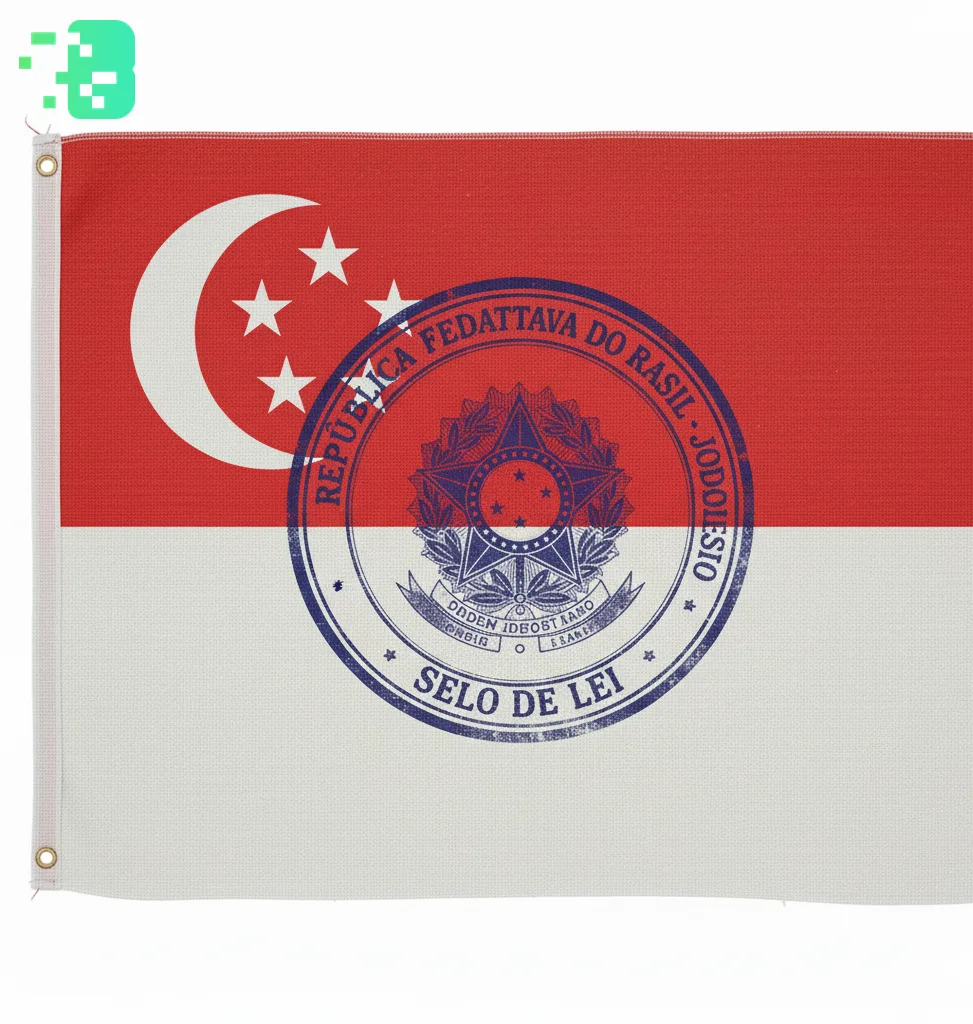
Singapore PDPA Video Privacy: Face and License Plate Blurring Compliance Guide 2025
Introduction Singapore's Personal Data Protection Act (PDPA) establishes
comprehensive data protection standards that significantly impact video content processing in Southeast Asia's leading financial and technology hub. With enhanced penalties reaching S
Quick checklist (GDPR & video privacy)
- VIDEO can contain personal data (faces, voices, plates) — treat it as GDPR/PRIVACY sensitive.
- Apply FACE BLUR before publishing or sharing video externally (social media, press, client reviews).
- Keep a lawful basis (consent/legitimate interest), retention limits, and access controls documented.
- Prefer automated detection + manual review for edge cases (fast motion, occlusions, low light).
Fast workflow (video blur)
- Open the clip in Blurit.app Studio.
- Select FACE BLUR (or object/plate blur) and review detections frame-by-frame.
- Export a privacy-safe video and keep an audit trail for GDPR requests.
If you need higher volumes or team workflows, see Plans & Pricing.
Understanding Singapore PDPA for Video Content
Enhanced PDPA Framework Post-2020 Amendments Key PDPA Enhancements:
Mandatory data breach notification requirements; Enhanced consent management obligations.
Data portability rights introduction; Increased financial penalties and enforcement powers Essential PDPA Definitions for Video Processing.
Personal Data: Data about an individual who can be identified from that data; Organisation: Individual, company, association, or body of persons.
Data Intermediary: Organisation processing personal data on behalf of another organisation; Individual: Natural person, whether living or deceased.
Personal Data Categories in Video Content Identifiable Personal Data:
Facial images and biometric identifiers enabling individual recognition; License plate numbers linking to Land Transport Authority vehicle databases.
Voice recordings with distinctive identifiable vocal characteristics; Location data combined with identifiable subjects or behavioral context.
Digital identifiers and device information from video recording equipment Sensitive Personal Data Considerations; Health and medical information visible in video recordings.
Religious, political, or philosophical beliefs expressed or identifiable; Racial or ethnic origin information and cultural identity markers.
Sexual orientation or intimate behavior captured in recordings; Financial information and economic status indicators.
Face Blurring Requirements Under PDPA
Consent Obligations for Facial Data Processing Valid Consent Requirements (Section 13):
Voluntary agreement by individual to collection, use, or disclosure; Individual has been informed of purposes for which consent is sought.
Consent is given with knowledge of nature and consequences of processing; Consent can be withdrawn by giving reasonable notice Deemed Consent Considerations.
Reasonable person would consider purpose appropriate in circumstances; Individual voluntarily provided data for obvious purpose.
Benefits to individual or public interest outweigh potential adverse effects; Notification has been given through reasonable means.
Biometric Information Processing Enhanced Protection for Facial Recognition:
Clear purpose specification for biometric data collection and processing; Enhanced security measures proportionate to sensitivity and risk level.
Regular review of necessity and proportionality of biometric processing; Implementation of privacy by design principles in biometric systems Technical and Organizational Safeguards.
Encryption of facial recognition templates and biometric processing data; Access controls restricting biometric data to authorized personnel only.
Comprehensive audit trails for all biometric data access and processing; Regular security assessments and vulnerability management programs.
License Plate Privacy Under Singapore Law
Motor Vehicle Information as Personal Data Under PDPA, license plates constitute
personal data because they:
Enable identification through Land Transport Authority (LTA) vehicle registration systems; Create comprehensive location tracking and movement pattern analysis capabilities.
Link to registered owner's personal, financial, insurance, and residential information; Can be combined with other datasets for detailed individual profiling and analysis.
LTA Data Protection Integration Vehicle Registration Privacy Safeguards:
Limited access to LTA vehicle owner information for authorized purposes only; Enhanced protection for private vehicle registration and ownership data.
Privacy safeguards in traffic enforcement and accident investigation procedures; Integration with broader PDPA personal data protection obligations Commercial Vehicle Tracking Applications.
Clear consent requirements for commercial vehicle monitoring and fleet management; Purpose specification for logistics and transportation efficiency applications.
Enhanced security measures for commercial vehicle operator personal information; Regular data retention review and deletion of unnecessary tracking information.
Technical Implementation with blurit.app
PDPA-Compliant Video Processing Solutions blurit.app ensures comprehensive
Singapore compliance through: AI-Powered Privacy Protection Technology:
Real-time face detection with immediate anonymization and privacy protection; License plate identification and automatic blurring systems with high accuracy.
Multi-language support including English, Mandarin, Malay, and Tamil interfaces; Batch processing capabilities for large Singapore video content libraries Singapore Data Residency and Localization.
Local data processing within Singapore borders meeting digital sovereignty requirements; Compliance with Singapore government data localization policies and guidelines.
Minimal cross-border data transfers with enhanced security and regulatory approvals; Comprehensive audit trails for PDPC compliance verification and regulatory reporting Regional Business Integration.
Integration with Singapore business practices and multicultural market expectations; Compliance with Monetary Authority of Singapore (MAS) technology risk guidelines.
Alignment with Smart Nation digital transformation and privacy protection initiatives; Support for ASEAN Cross-Border Privacy Rules and regional cooperation frameworks.
Privacy by Design for Singapore Market Proactive Privacy Engineering:
Default privacy-protective settings aligned with Singapore regulatory expectations; Data minimization through immediate video anonymization and pseudonymization techniques.
Purpose limitation enforcement through targeted processing controls and access restrictions; Comprehensive encryption meeting Singapore cybersecurity and cryptographic standards Individual Rights Management Systems.
Automated processing of access, correction, portability, and deletion requests; Data breach detection and notification systems meeting PDPC timeline requirements.
Consent management platforms supporting withdrawal and preference updates; Comprehensive complaint handling and dispute resolution documentation systems.
PDPC Enforcement and Regulatory Guidance
Personal Data Protection Commission (PDPC) Regulatory Authority and Enforcement Powers:
Comprehensive privacy law enforcement and policy guidance development; Investigation authority for privacy complaints and potential violations.
Administrative penalty imposition up to S
Education and guidance prioritized over punitive enforcement measures; Industry consultation and stakeholder engagement in policy development.
Risk-based approach focusing on high-impact privacy violations; International cooperation and cross-border enforcement coordination.
PDPC Video Processing Guidelines Facial Recognition Technology Governance:
Risk assessment requirements for biometric processing system deployment; Clear consent and transparency obligations for commercial facial recognition applications.
Proportionality assessment ensuring minimal privacy intrusion for legitimate purposes; Regular compliance monitoring and technical security assessment requirements CCTV and Workplace Surveillance Standards.
Legitimate business purpose demonstration for workplace video monitoring; Employee notification and consultation requirements for surveillance implementation.
Proportionate surveillance scope minimizing unnecessary personal data collection; Enhanced data security and access controls for workplace surveillance systems.
Industry-Specific PDPA Applications
Financial Services and Fintech Monetary Authority of Singapore (MAS) Coordination:
Customer due diligence and identity verification video processing requirements; Enhanced security measures for financial customer personal data protection.
Clear consent mechanisms for marketing and cross-selling through video content; Integration with MAS technology risk management and cybersecurity guidelines Digital Banking and Payment Services.
Know-your-customer (KYC) video verification privacy protection requirements; Enhanced authentication and fraud prevention video processing compliance.
Cross-border payment services data transfer compliance and adequacy assessments; Integration with Payment Services Act privacy and security requirements.
Healthcare and Medical Technology Health Sciences Authority (HSA) Privacy Integration:
Patient consent for telemedicine and remote consultation video recording; Enhanced security and encryption for medical video data and health information.
Integration with Healthcare Services Act privacy and patient confidentiality requirements; Medical research video data processing consent and anonymization requirements Digital Health Innovation.
Health technology sandbox privacy compliance for innovative video applications; AI-powered medical diagnosis video processing privacy protection requirements.
Cross-border health data sharing compliance with international medical cooperation; Integration with national electronic health record privacy and security standards.
Smart Nation and Urban Technology Smart City Infrastructure Privacy:
Public space surveillance privacy impact assessment and community consultation; Automated traffic monitoring and enforcement system privacy protection measures.
Urban planning and development video data collection consent and transparency; Integration with Smart Nation privacy governance and citizen engagement frameworks Internet of Things (Io T) and Connected Devices.
Consumer Io T device video processing privacy protection and consent management; Industrial Io T privacy compliance for manufacturing and logistics applications.
Smart home and building automation video data privacy protection requirements; Integration with Cybersecurity Act Io T security and privacy standards.
Cross-Border Data Transfer Compliance
International Data Transfer Framework PDPA Cross-Border Transfer Requirements:
Adequate level of protection assessment for destination countries; Standard contractual clauses and binding corporate rules for international transfers.
Enhanced due diligence for transfers to countries without adequate protection; Regular monitoring and compliance verification for ongoing cross-border processing ASEAN Regional Privacy Cooperation.
ASEAN Framework on Personal Data Protection alignment and cooperation; Bilateral data sharing agreements with regional partners and trading nations.
Regional privacy certification and mutual recognition program development; Cross-border enforcement cooperation and information sharing frameworks.
Singapore's Strategic Privacy Position Global Financial Center Privacy Standards:
International financial services privacy compliance and regulatory coordination; Multinational corporation regional headquarters privacy governance requirements.
Cross-jurisdictional privacy program harmonization and efficiency optimization; Integration with international trade agreement privacy chapter requirements.
Cultural and Business Environment Considerations
Multicultural Privacy Expectations Diverse Population Privacy Needs:
Multi-ethnic, multi-religious community privacy sensitivity and cultural appropriateness; Language accessibility for privacy notices and consent in English, Mandarin, Malay, Tamil.
Cultural norms integration with modern privacy rights and individual autonomy; Intergenerational privacy expectation balance and digital literacy support Business Culture and Practices.
Efficient regulatory compliance aligned with Singapore's business-friendly environment; Long-term relationship building through privacy trust and transparency.
Government-industry partnership in privacy innovation and best practice development; Integration with Singapore's reputation for regulatory excellence and business integrity.
Regional Hub Responsibilities ASEAN Privacy Leadership:
Regional privacy standard setting and best practice development; Cross-border privacy cooperation and mutual assistance framework leadership.
Regional privacy technology innovation and digital economy development; ASEAN privacy harmonization and interoperability facilitation.
Best Practices for Singapore Video Privacy Compliance
Comprehensive Privacy Program Excellence World-Class Privacy Governance:
Privacy governance structure meeting international best practice standards; Regular staff training on Singapore privacy law and regional compliance considerations.
Privacy impact assessment integration with business strategy and innovation processes; Incident response coordination with Singapore authorities and regional partners Technology Leadership Integration.
Privacy-enhancing technology adoption meeting Singapore innovation standards; Automated privacy controls and data minimization systems with AI integration.
Comprehensive cybersecurity integration with privacy protection measures; Regular privacy technology assessment and upgrade aligned with Smart Nation initiatives.
Stakeholder Engagement and Communication Consumer Privacy Rights Excellence:
User-friendly multilingual privacy rights request mechanisms and support; Timely and comprehensive response to individual privacy requests and inquiries.
Clear privacy rights education and community engagement programs; Proactive privacy preference management and control systems Industry Leadership and Cooperation.
Privacy best practice sharing and industry collaboration facilitation; Privacy innovation and technology development partnership participation.
Regional privacy standard development and implementation leadership; Consumer advocacy organization engagement and transparency initiatives.
Future Developments and Innovation Leadership
Singapore Privacy Technology Innovation Smart Nation Privacy Integration:
Privacy-by-design integration with national digital transformation initiatives; AI governance framework development with privacy protection at core.
Blockchain and distributed ledger privacy applications for government and business; Quantum-resistant privacy protection research and development leadership Regional Privacy Innovation Hub.
ASEAN privacy technology development center and innovation facilitation; International privacy research collaboration and academic partnership.
Privacy startup ecosystem development and regulatory sandbox integration; Cross-border privacy technology standard development and harmonization.
Regulatory Evolution and Enhancement PDPA Modernization and Strengthening:
Continuous regulatory improvement based on international best practices; Technology-specific privacy guidance development for emerging applications.
Enhanced international cooperation and mutual recognition framework development; Industry-specific privacy compliance guidance and sector-specific requirements Global Privacy Leadership.
International privacy standard setting participation and leadership; Global privacy cooperation agreement negotiation and implementation.
Regional privacy framework development and mutual recognition facilitation; Privacy diplomacy and international relations strengthening through excellence.
Conclusion Singapore's Personal Data Protection Act establishes world-class
privacy protection requirements that significantly impact video content processing in one of Asia's most important business and technology hubs. With enhanced penalties and sophisticated enforcement mechanisms, PDPA compliance is essential for organizations seeking success in Singapore's dynamic digital economy. blurit.app provides the technical foundation for Singapore privacy-compliant video anonymization through advanced AI detection, comprehensive individual rights support, and regional integration capabilities. By implementing automatic face and license plate blurring, organizations can ensure PDPA compliance while maintaining competitive advantage in Singapore's multicultural and internationally connected market. Proactive compliance through comprehensive video privacy protection builds trust with Singapore consumers and international partners while supporting Singapore's reputation for regulatory excellence and business integrity. The investment in proper Singapore privacy compliance today establishes foundation for regional expansion and global business success as Singapore continues leading ASEAN privacy harmonization and international cooperation efforts.