

UK GDPR / DSAR: responding to an access request when you have videos (CCTV, dashcam) (Guide 2026)
UK GDPR / DSAR: responding to an access request when you have videos (CCTV, dashcam) (Guide 2026)
An access request (DSAR) can concern videos: CCTV, dashcam, store cameras. The difficulty: responding to the requester while protecting visible third parties. Here's an operational guide 2026 (UK GDPR + best practices) and how Blurit.app helps you anonymize before sharing.
Why DSARs on videos are difficult
- Several people (third parties) appear in the same sequence.
- Timecode search can be lengthy.
- The main risk: exposing a third party (face, plate, badge, screen).
6-step checklist
- Qualify the request (scope, dates, locations).
- Identify sequences (timecodes).
- Assess visible third parties.
- Anonymize third parties (blur/pixelation).
- Document (logs, justification).
- Respond in a usable format.
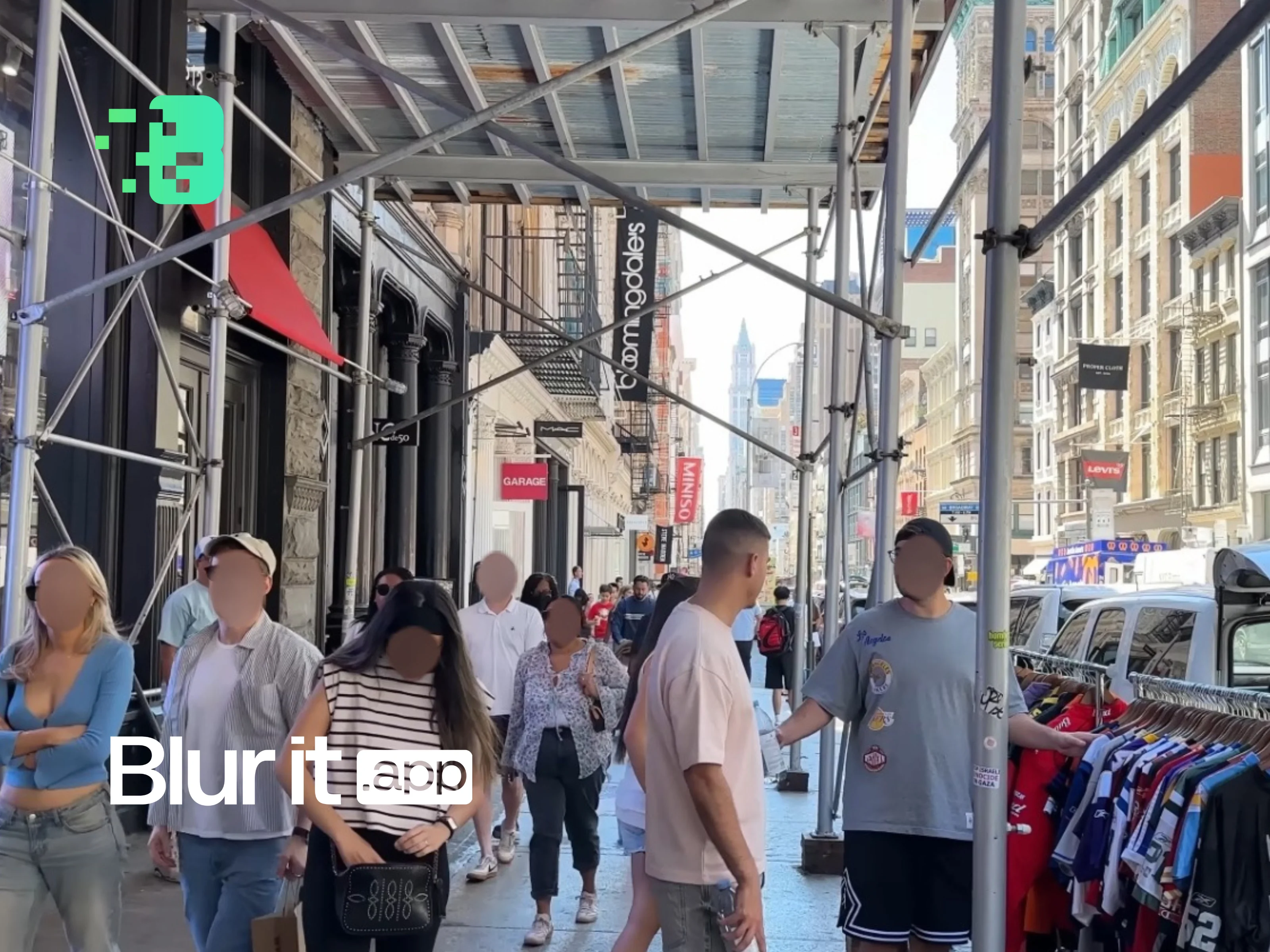
Try Blurit.app on your videos
To quickly anonymize third parties before sharing a video, use Blurit.app.